
Articles and informative posts
Understand the Rules of the Energy World - Content Created Especially for You!


Sign up to stay updated
- Energia
Authorization Granting before ANEEL for Wind and Solar (Photovoltaic) Projects – Systematizing RN 876/2022
Many questions arise about the procedure and requirements for obtaining an authorization grant from the National Electric Energy Agency (ANEEL) for the exploration and installation of wind and photovoltaic plants. Based on Normative Resolution No. 876, dated March 10, 2020, amended by Normative Resolution No. 954, dated November 30, 2021.

- Energia
The advancement of the free energy market
Imagine the following scene: an open-air market where merchants sell their products, competing on price to attract consumers. Now, imagine that in this market, only one product is sold: electricity.

- Energia, Jurídico
REIDI for Distributed Minigeneration: Ministry of Mines and Energy Opens Public Consultation
Through Ordinance 765/GM/MME, dated January 16, 2024, the Ministry of Mines and Energy released a draft ordinance proposing procedures for requesting the inclusion of distributed minigeneration projects in the Special Incentive Regime for Infrastructure Development (REIDI). The public consultation will remain open from January 17, 2024, to February 16, 2024.

- Jurídico
The Plot of ICMS on TUSD in Mini and Microgeneration: Perspectives Following the STF Decision
With the decision issued on January 9, 2024, the Plenary of the Brazilian Supreme Federal Court (STF), when judging Extraordinary Appeal with Complaint No. 1,464,347, clarified a crucial issue for the energy sector: the application of ICMS (Tax on the Circulation of Goods and Services) on the Tariff for the Use of Distribution Systems (TUSD) in cases of mini and microgeneration of energy is not a constitutional matter, but rather an infraconstitutional one.
- Jurídico
Presidential Vetoes to the Legal Framework for Distributed Generation: What Does This Mean?
On January 6, 2022, Law 14.300 was enacted. It established the Legal Framework for Distributed Micro and Mini Generation, along with the Electric Energy Compensation System and the Social Renewable Energy Program.
- Jurídico
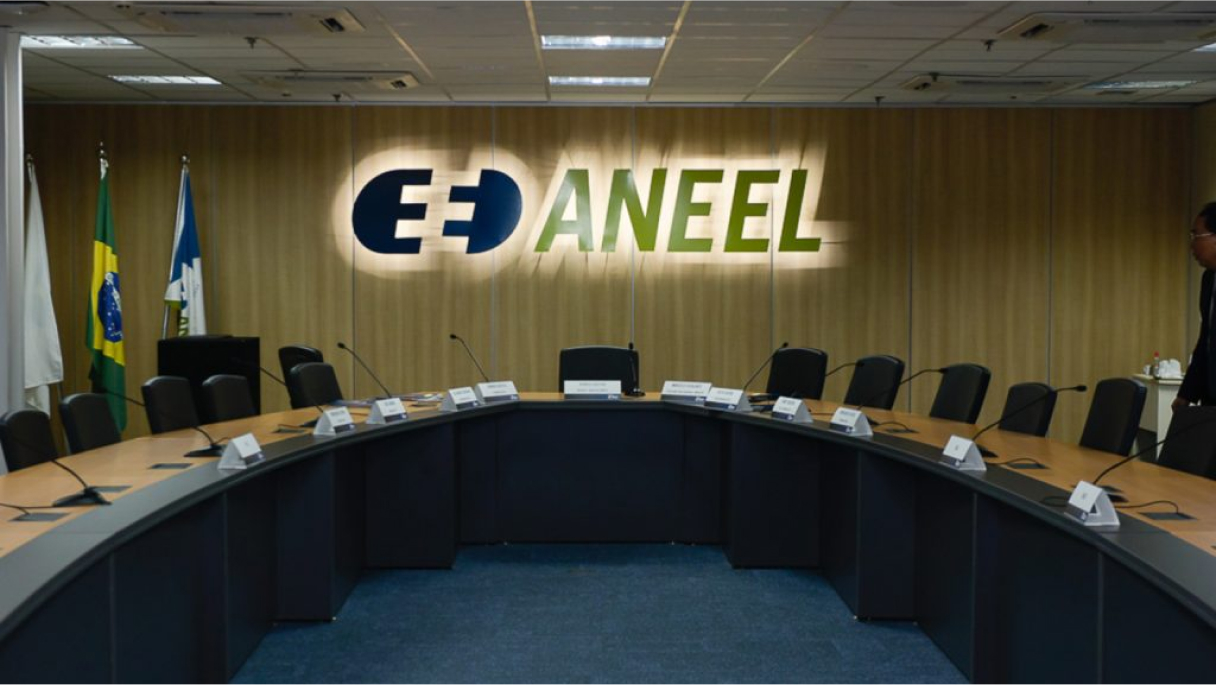
Mapping ANEEL Resolution No. 1,000/2021
ANEEL Resolution No. 1,000/2021, published on December 7, 2021, and effective as of January 3, 2022, stands out as a significant regulatory milestone, particularly for its role in streamlining numerous regulatory provisions concerning the rules governing electricity distribution services. In essence, this resolution brought together what was previously addressed across 64 resolutions—issued at different times and with varied content—into a single, unified regulatory framework.

- Energia, Jurídico
“Attention Clauses” in Energy Purchase and Sale Agreements
In addition to the usual clauses found in any contract related to a legal transaction between private entities, individuals, or business companies, the purpose of this article is to objectively introduce points for reflection on specific clauses included in energy purchase and sale agreements within the free contracting environment.

- Energia, Hidrogênio
DETAILS OF BILL 3027/2024 – THE LOW CARBON EMISSION DEVELOPMENT PROGRAM
How will the tax credits be granted? Who will be eligible to access them? What will be the total amount available? How will the allocation process work, through competitive bidding? Will regulatory oversight be required?

- Contact
- +55 48 99909-7557
- bianca.bez@bbladv.com.br