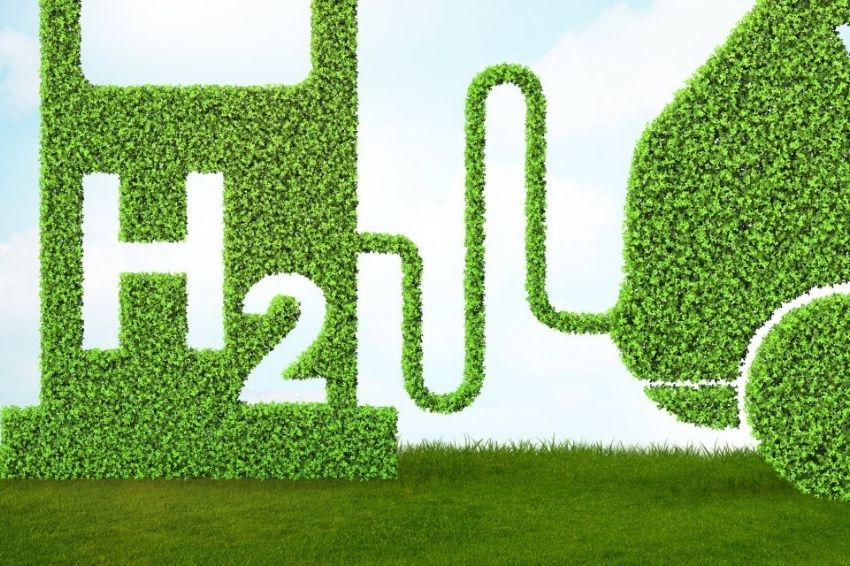
The Bill 2308/2023, aimed at regulating green hydrogen in Brazil, represents a significant regulatory milestone for sustainable energy transition. This bill proposes a set of incentives and guidelines to promote the production and use of low-carbon hydrogen, defined as hydrogen produced through renewable sources with low carbon emissions, specifically less than or equal to 7 kg CO2e/kg H2.
It is worth noting that, internationally, the amount of CO2 allowed for the classification of green hydrogen varies between countries. For example, the European Union defines green hydrogen as that produced with carbon emissions below 3 kg CO2e/kg H2, while the United States sets a limit of 2 kg CO2e/kg H2. These variations reflect different levels of rigor and environmental goals, with each jurisdiction adjusting its regulations to align with its specific climate targets.
The creation of tax incentives is one of the main measures in the bill, including the exemption from taxes such as PIS, COFINS, and IPI for companies investing in green hydrogen technologies. This exemption aims to reduce initial costs and make the sector more attractive to investors. From the perspective of Economic Analysis of Law, such incentives are essential for mitigating market failures, where the social benefits of the technology (emission reduction) are not fully captured by economic agents.
The bill also establishes a certification system and technical standards, crucial for ensuring reliability and transparency in the green hydrogen market. Defining clear parameters for the production and use of hydrogen helps create a market where consumers and investors can trust the sustainability and quality of the product. This certification mechanism acts as a quality signal, encouraging investments and enabling the creation of a carbon credit market.
Another critical aspect of Bill 2308/2023 is the promotion of research and development (R&D). Allocating resources for R&D is vital to fostering innovations that can reduce costs and increase the efficiency of green hydrogen production. Support for R&D can lead to significant technological breakthroughs, making green hydrogen more competitive compared to other energy sources. Additionally, cooperation between universities, research centers, and the private sector is encouraged, creating a robust innovation ecosystem.
The infrastructure required for the production, storage, and distribution of green hydrogen is also addressed in the bill. Adequate infrastructure creation is necessary to overcome one of the biggest barriers to the development of the hydrogen market. Investments in infrastructure have a multiplier effect on the economy, generating jobs and stimulating local economic development. The proposal for building hydrogen hubs and adapting existing pipelines are potentially efficient and cost-effective solutions to integrate green hydrogen into the national energy matrix.
From a legal perspective, an interesting component for the development of the green hydrogen sector is the formation of joint ventures and memorandums of understanding (MoUs) between companies and governments. These partnerships are essential for leveraging financial, technological, and human resources, facilitating the implementation of large-scale projects. Joint ventures allow different stakeholders to share the risks and benefits of investments in green hydrogen, while MoUs formalize cooperation between the parties, establishing commitments and common goals.
The structuring of joint ventures may include clauses defining each partner’s contribution in terms of capital, technology, and expertise. For example, one company may provide electrolysis technology, while another invests in renewable energy infrastructure. MoUs, on the other hand, may establish timelines for project implementation, green hydrogen production goals, and sustainability criteria to be followed. These partnerships are critical for accelerating the energy transition and ensuring that green hydrogen projects are financially viable and technically efficient.
Thus, to date—awaiting Presidential sanction—the Bill 2308/2023 appears to offer a comprehensive and strategic approach to regulating green hydrogen in Brazil. Through tax incentives, technical standards, promotion of research and development, and investments in infrastructure, the bill creates a potential environment conducive to the sustainable growth of the sector. With the proper implementation of these policies, Brazil has the potential to become a global leader in green hydrogen production and utilization, significantly contributing to the energy transition and climate change mitigation.